

NEWSLETTER SUBSCRIPTION
Subscribe here to be in touch with Turkish Ship & Yacht Building professionals and discover The Art On Water!

Subscribe here to be in touch with Turkish Ship & Yacht Building professionals and discover The Art On Water!
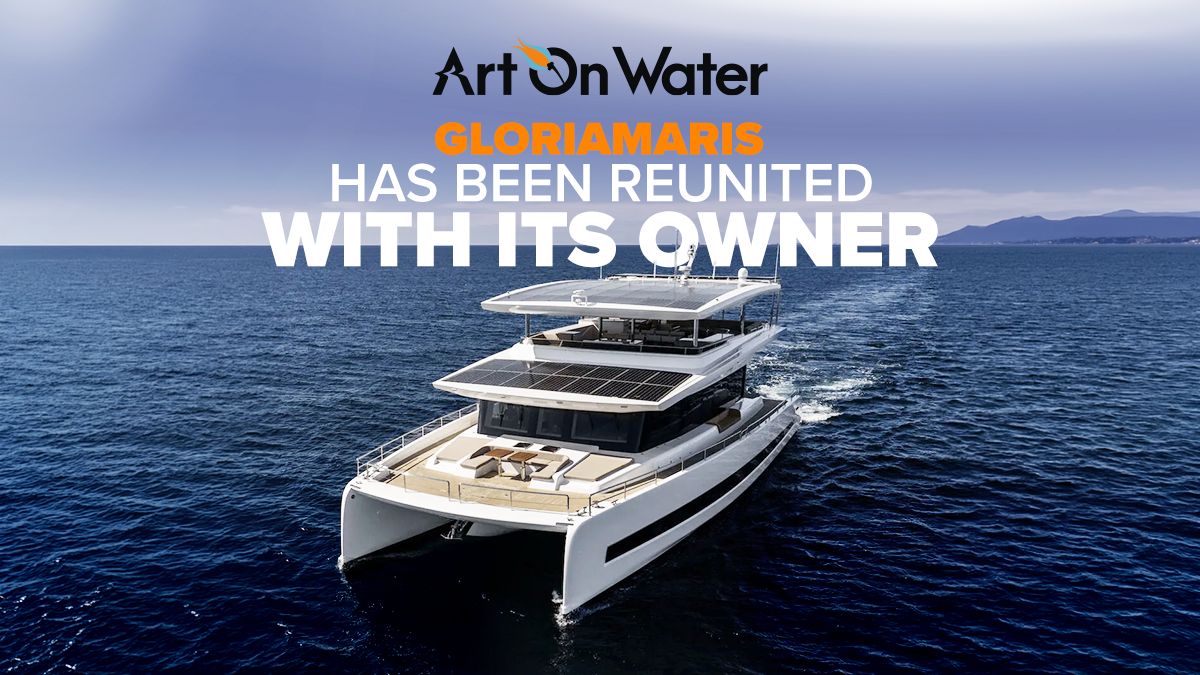
Designed by Marco Casali of TOO Design, the yacht is owned by Gregg Hamann, chairman of the US-based Hamann Construction.
Hamann stated that he positions his new yacht as an "adventure boat," and that he will spend the summers in the Mediterranean and the winters in the Red Sea. He added, "Beyond that, I hope to go further afield, to the Indian Ocean. One reason I bought a bigger boat is because I want to travel to very remote parts of the world, and this should be the platform to make that happen."
A yacht that focuses on diving. Equipped with solar panels to reduce generator use and extend fully electric cruising time, the yacht also features a dedicated dive cabin designed to safely store scuba diving equipment and connect directly to a high-capacity air and nitrox compressor. This integrated system allows for rapid refueling without relying on shore facilities, a critical feature for expeditions to remote diving spots around the world. Hamann, who says he loves diving, stated that he wanted these capabilities to be central to the yacht's design.
Music room on the flybridge
Hamann, who plans to host his grandchildren on the yacht as well, hopes that they will grow up surrounded by life at sea, just as his own children did on the family's previous yacht. Reflecting this multi-generational vision, Gloriamaris is equipped with a private children's room, a flybridge jacuzzi, and special facilities to introduce young family members to scuba diving.
Hamann stated that they also considered reducing the carbon footprint in the construction of the boat, saying, "I've spent most of my life on the water, and one of the things that has always bothered me about sailing, fishing, or diving is the carbon footprint."
Constructed from lightweight carbon fiber, Gloriamaris is powered by twin 180-kilowatt Danfoss electric motors, providing a cruising speed of 6 to 8 knots. A total of 63 high-efficiency solar panels generate up to 25.2 kilowatt-hours of energy to charge the ship's battery system, enabling extended periods of fully electric operation.
BACK